
Emergency Services
Services
The Vital Role of Emergency Services
In every community, emergency services serve as the lifeline, ensuring prompt and efficient response to crises and medical emergencies. Among these vital services, community health emergency services stand out as frontline warriors, offering critical care and support when individuals face health crises. This blog delves into the indispensable role played by community health emergency services, highlighting their significance, challenges, and the importance of support from the community.
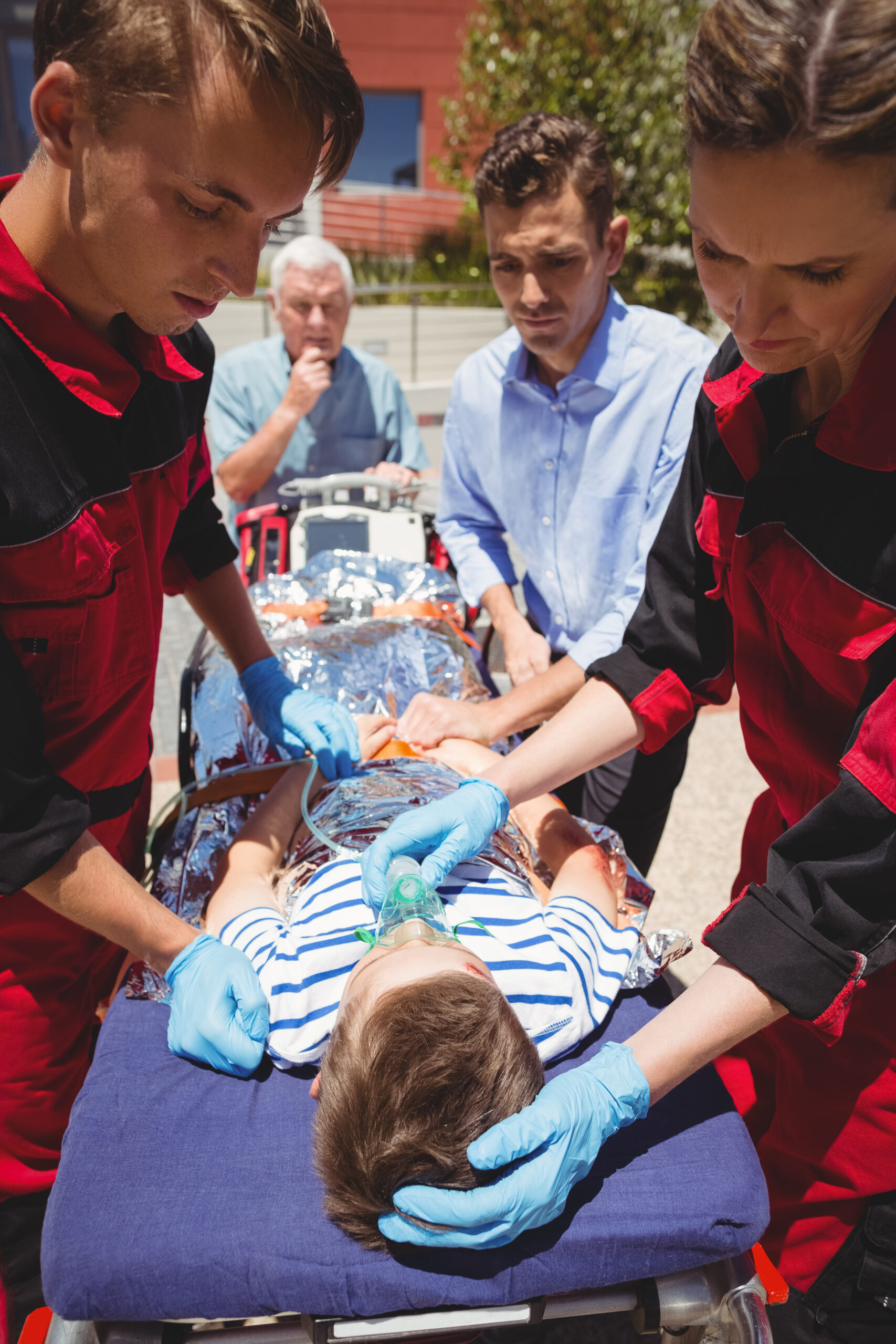
Community health emergency services encompass a wide array of medical responses, ranging from accidents and trauma to sudden illnesses and natural disasters. These services provide immediate medical attention, stabilization, and transportation to healthcare facilities, often making the difference between life and death. Whether it’s a heart attack victim, a car accident survivor, or a victim of a natural disaster, community health emergency services are the first responders, delivering timely interventions and initiating the continuum of care.

Bad Condition
Challenges Faced
By Community Health Emergency Services
Despite their pivotal role, community health emergency services encounter numerous challenges that impede their effectiveness. One of the foremost challenges is resource constraints, including limited funding, insufficient staff, and outdated equipment. These constraints hinder their ability to respond promptly and adequately to emergencies, jeopardizing patient outcomes.
Additionally, geographic barriers and inadequate infrastructure pose significant challenges, particularly in rural and remote areas. Limited access to healthcare facilities and long transportation times exacerbate the severity of emergencies, underscoring the need for strategic planning and resource allocation to bridge these gaps.
Furthermore, community health emergency services grapple with the burden of increasing demand amid evolving healthcare needs and demographic shifts. Aging populations, chronic health conditions, and the prevalence of mental health crises strain their capacity, necessitating innovative approaches and collaborative partnerships to enhance efficiency and efficacy.
The Importance of Community Support:
Amidst these challenges, community support emerges as a cornerstone of strength for community health emergency services. The active involvement of community members, volunteers, and local organizations not only augments resources but also fosters a culture of preparedness and resilience.
Educational initiatives, such as CPR training and first aid courses, empower individuals to become proactive bystanders, capable of providing immediate assistance in emergencies. Moreover, community engagement initiatives, such as neighborhood watch programs and disaster preparedness drills, facilitate collaboration between emergency services and the community, enhancing response capabilities and fostering a sense of collective responsibility.
Furthermore, advocacy efforts aimed at securing adequate funding, resources, and policy support are crucial in addressing systemic challenges and bolstering the resilience of community health emergency services. By advocating for investments in infrastructure, technology, and training, community members can ensure that emergency services remain well-equipped and prepared to meet the evolving needs of the population.
Conclusion
In essence, community health emergency services serve as the backbone of public health, offering a lifeline to individuals in their darkest hours. Despite facing numerous challenges, these services embody resilience, compassion, and dedication, epitomizing the spirit of service and sacrifice. As integral components of the community, it is imperative to recognize the vital role of emergency services and rally behind them with unwavering support, ensuring that they continue to safeguard the health and well-being of all members of society.
